Introducing Yuna

Today we are proud to introduce Yuna – an ex vivo human-skin platform that enables skin to stay alive, and stay measurable, for four weeks.
Yuna is the core of everything we do: living, full-thickness human skin, that we keep viable far longer than the field’s standard, sourced to reflect the range of real human skin, pushed with the stresses skin actually encounters, and instrumented to be read in detail the entire time.
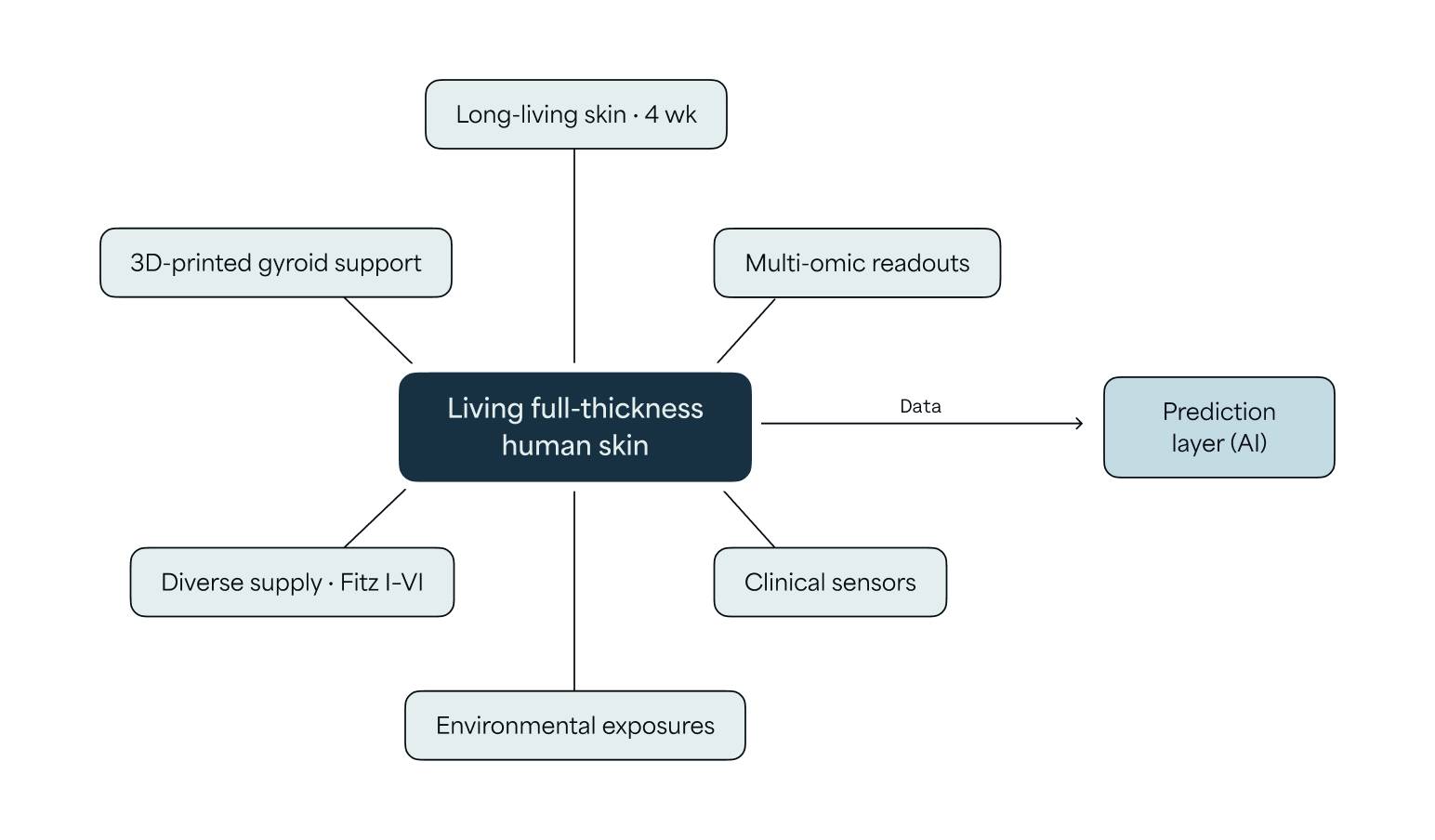
How Yuna Works
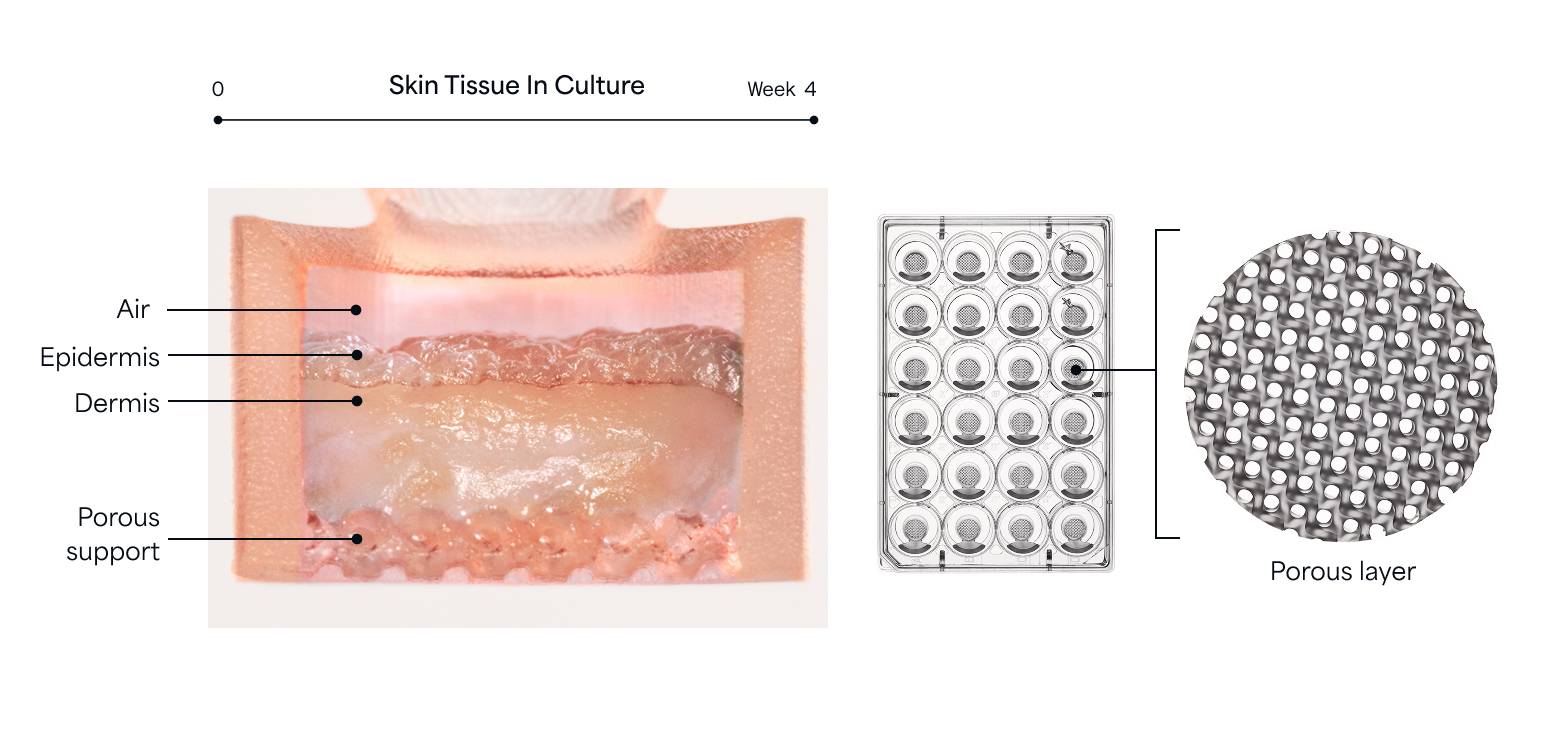
The 3D-printed gyroid insert holding full-thickness skin at an air–liquid interface, with H&E and immunostaining showing architecture preserved from Day 0 to Week 4.
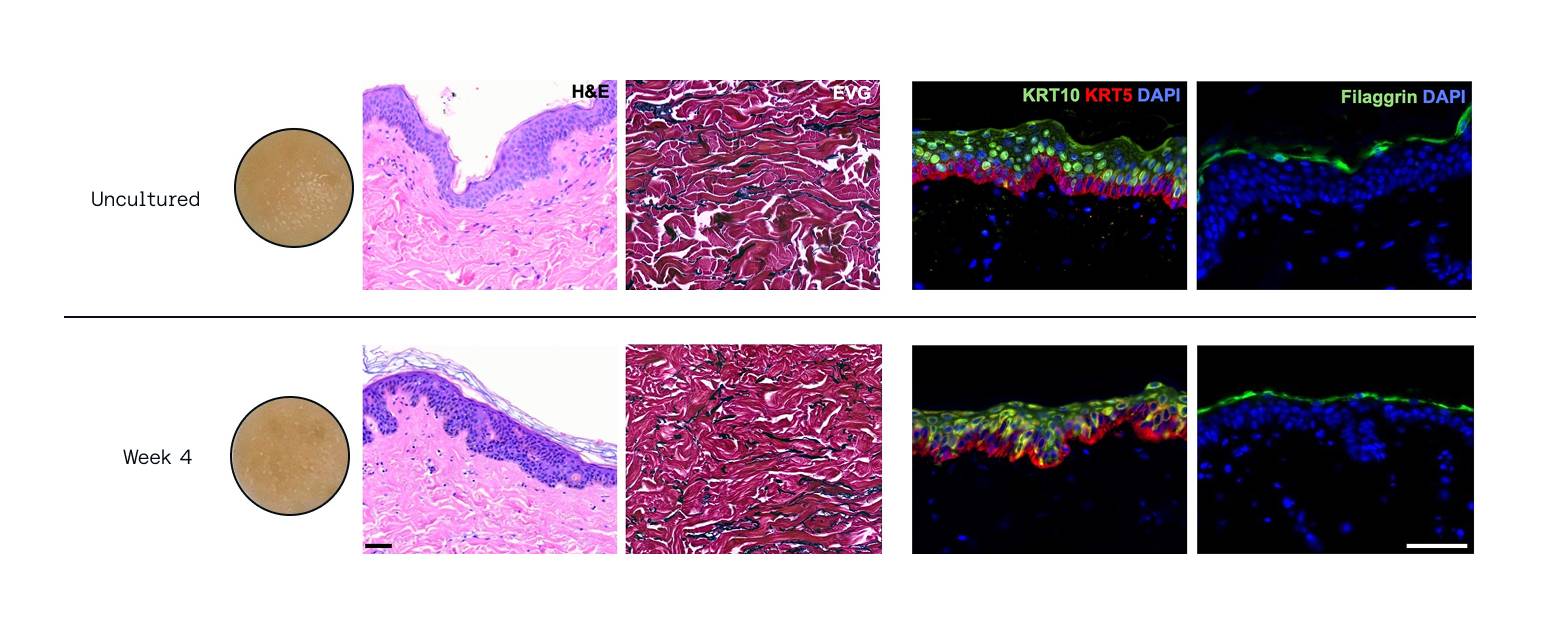
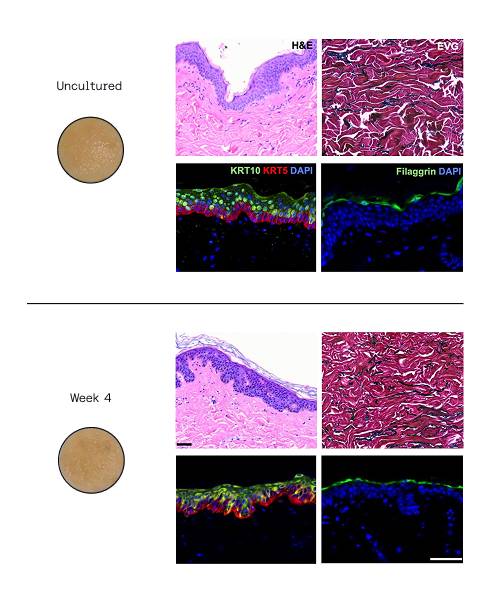
The platform, and four weeks of intact tissue — From the platform paper (Sharma et al., bioRxiv 2026)
Yuna is an R&D platform for human skin that integrates advanced biology with deep data and AI. It’s composed of six key components:
Long-Living Skin
The core of Yuna is long-living skin. Standard ex-vivo skin remains viable for a few days to about a week. Yuna holds full-thickness tissue — epidermis, dermis, and resident immune compartment — for four weeks, with native architecture preserved and transcriptional programs that stabilize rather than degrade. Four weeks is a threshold that matters: it is the difference between observing only what kills isolated cells — acute toxicity, which surfaces in hours or days — and measuring how skin actually functions over time. The biology that determines whether a compound works is complex and multifaceted, and unfolds on the scale of weeks: multiple phases of inflammation, matrix remodeling and regeneration, barrier restoration, and senescence-associated changes.
Support-System Hardware
The tissue does not stay alive on its own. Underneath the tissue sits a proprietary, highly porous engineered 3D-printed support structure designed to support air-liquid interface culture and maximize mass transfer through full-thickness tissue. By keeping nutrients moving in and waste moving out, the support structure consistently maintains viability over weeks.
A Diverse Tissue Supply Chain
Data from one idealized donor generalizes to one idealized person. Yuna draws on a supply chain deliberately spanning age ranges, sexes and Fitzpatrick skin types I through VI, with pooled data from more than 300 donors across the program to date — and because a single surgical specimen yields up to a hundred biopsies, that diversity comes with throughput. A signal that survives in Yuna is a signal about human skin, not a sample of it. Our tissue is ethically sourced from consenting donors through our partner tissue procurement networks.
Environmental-Forces Exposure
Skin is an interface; its biology is shaped by what it meets. Yuna is an open-top platform, meaning we can apply controlled stressors including UV, pollution and particulates, microbial and pathogen challenges, mechanical force, chemical and irritant exposure, and physical wounding, and measure the tissue’s response and recovery across the time that process actually takes, rather than at a single endpoint. The UV response is the one we’ve published; the others are supported in the platform, and we’ll publish more on them in the coming months.
Clinical-Sensor Compatibility
Yuna is built so that measurements used on skin in the clinic can be taken on tissue in the platform — today these are transepidermal water loss and elasticity, with more clinical readouts on our roadmap. The point is a common language: an effect seen in Yuna can be expressed in the same terms a dermatologist would use on a patient, which is what lets an ex vivo result translate to a clinical one rather than live in a separate vocabulary.
Multi-Omic Readouts
Every experiment yields not a single endpoint but layered readouts — transcriptional, histological, secretory — across the full time course. That depth and richness is what lets a model learn dynamic biological changes and mechanisms, and as we move increasingly toward AI models for biology, it’s the form the data has to take to be worth training on.
What Yuna has already shown
The capabilities above are not aspirations. The platform paper we’re announcing today documents Yuna doing three distinct things within a four-week window, each with a known intervention behaving as it should:
Chronic inflammation
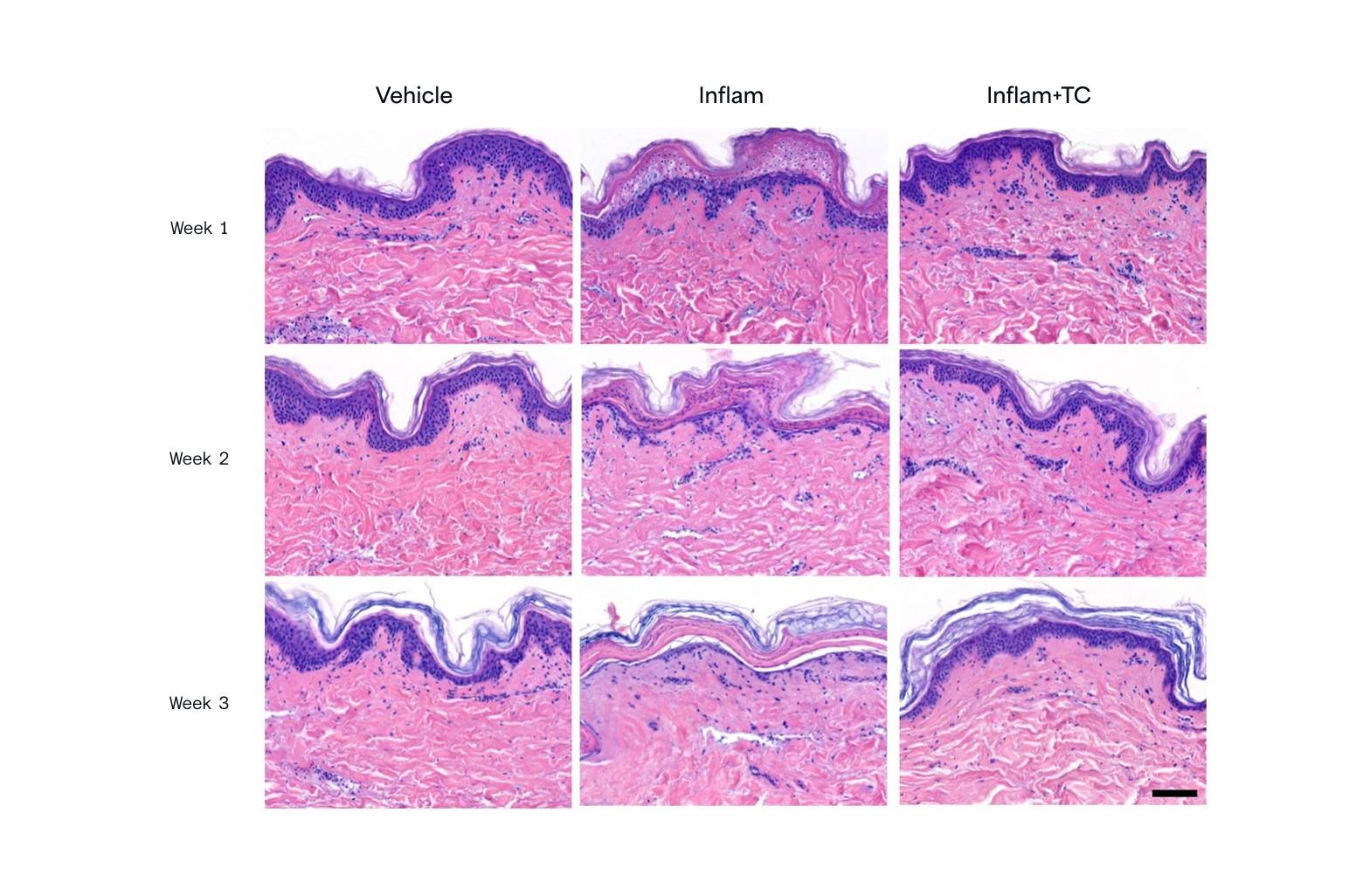
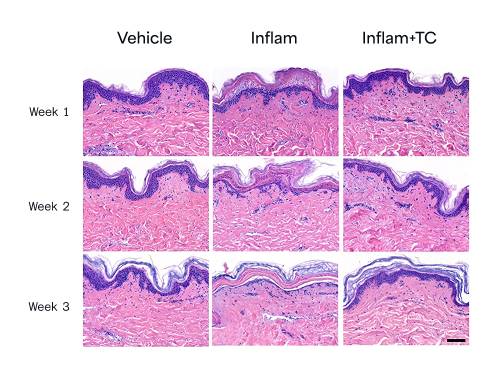
Chronic inflammation, induced and suppressed — a psoriasis-like state sustained across three weeks.
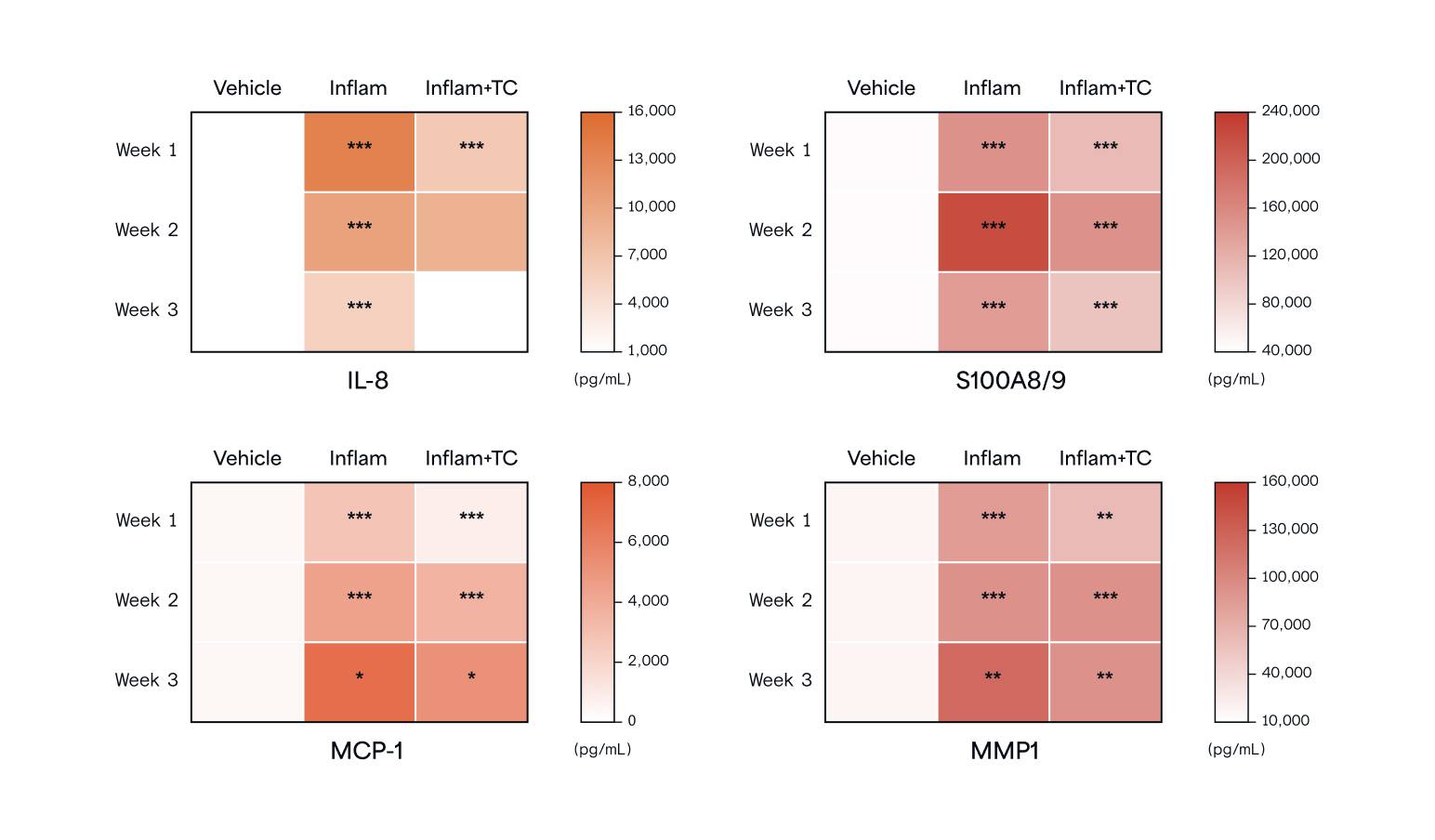
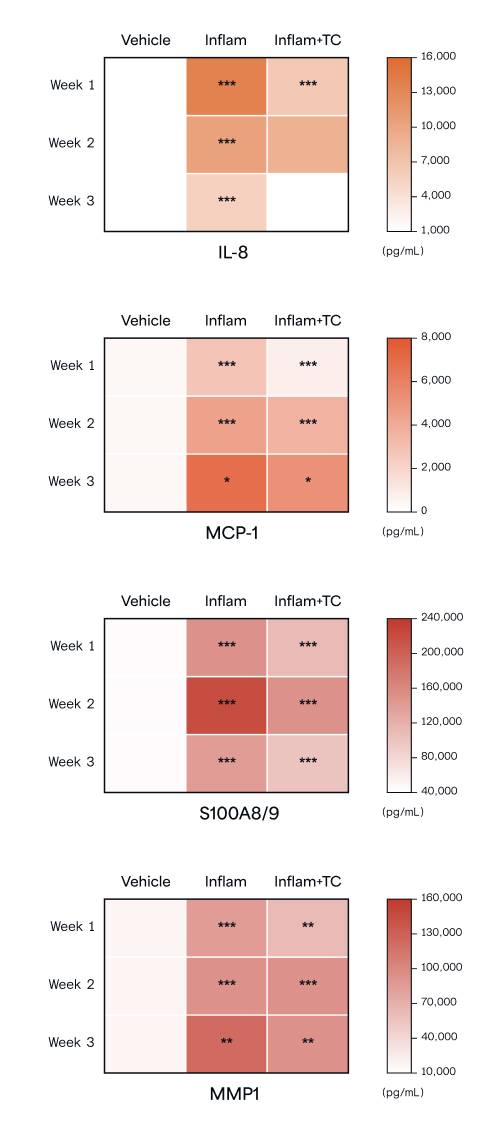
Chronic inflammation, induced and suppressed with tofacitinib broadly suppressing key secreted markers — IL-8, MCP-1, S100A8/9, MMP1.
Sustained IL-17/IL-22 stimulation produced a psoriasis-like inflammatory state across multiple donors — transcriptional, histological, and secretory — across three weeks, and tofacitinib, a JAK inhibitor used clinically, broadly suppressed key inflammatory and tissue-damage-associated features across the time course.
Senescence in aged tissue
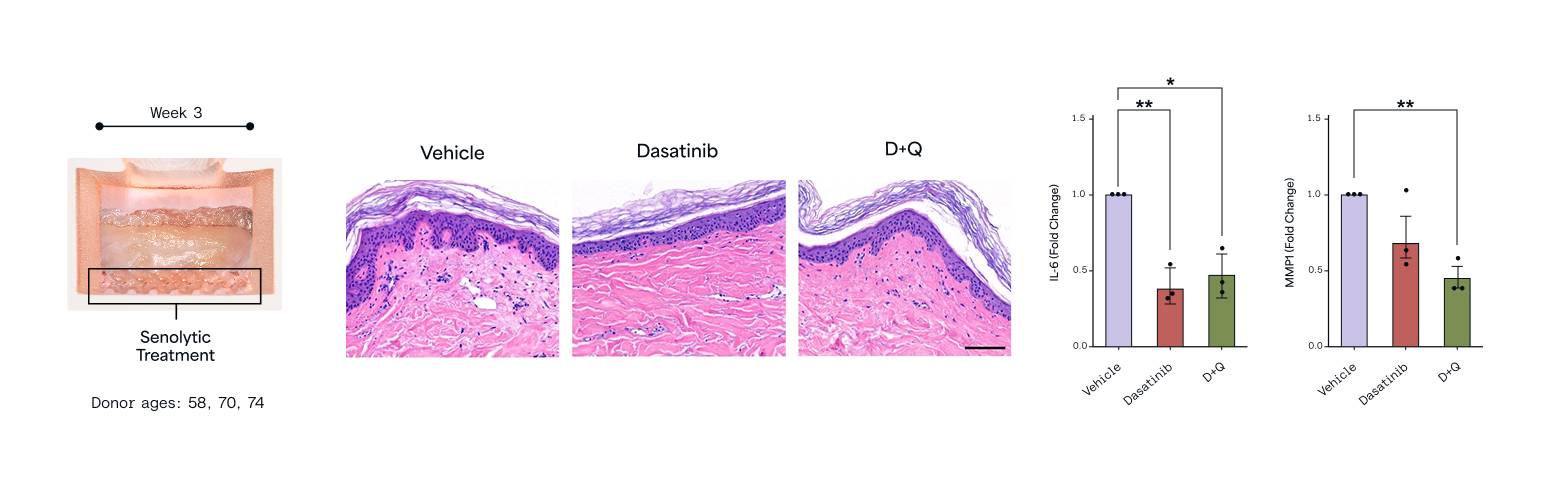
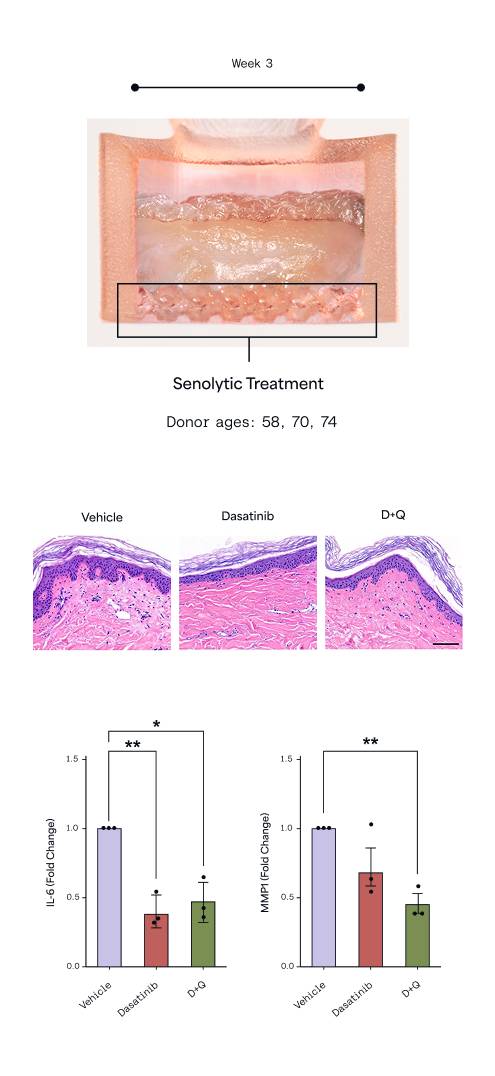
Senescence attenuated in aged tissue — aged donor skin (58–74) treated with dasatinib or dasatinib + quercetin; IL-6 and MMP1 reduced vs vehicle. Attenuation of senescence and inflammaging signatures — a platform capability.
On donor tissue from individuals aged 58-74, prolonged treatment with dasatinib and quercetin attenuated senescence and inflammaging signatures, along with functional markers of the senescence-associated secretory phenotype, after three weeks of treatment — responses that were not evident within a one-week window.
Photoaging
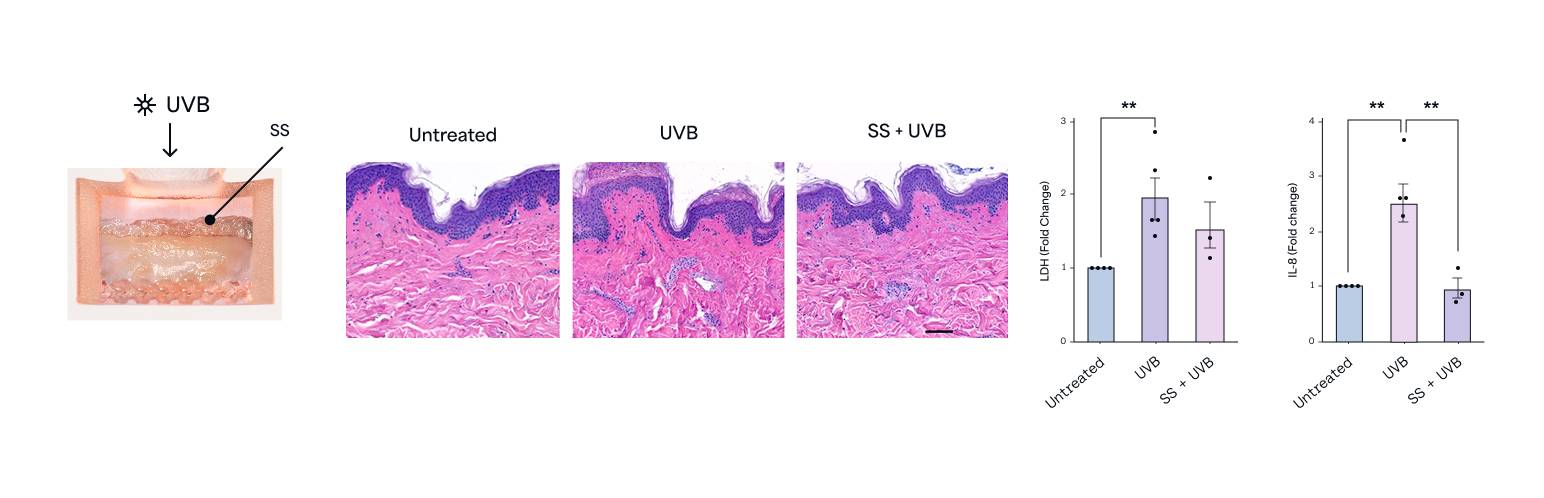
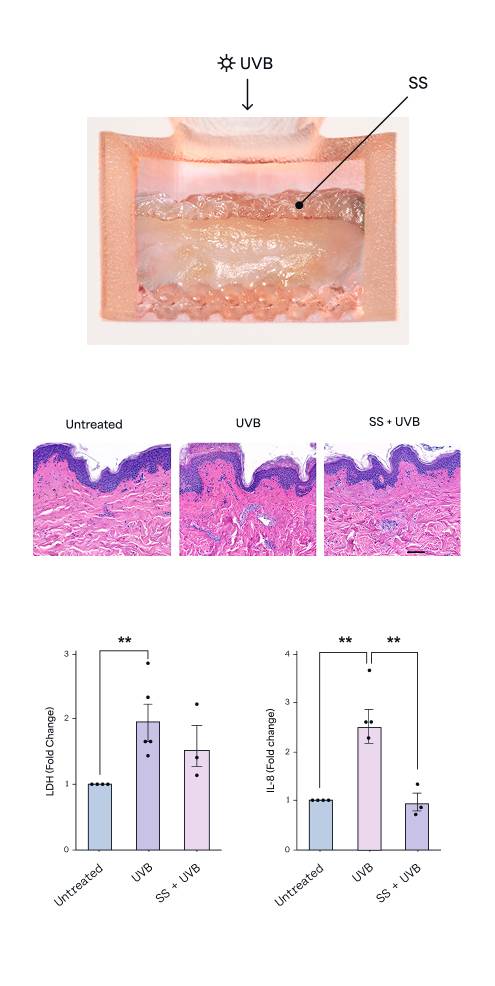
Photoaging, mitigated by sunscreen — UVB injury — histology plus LDH release and IL-8 secretion — substantially mitigated by a topical sunscreen.
A controlled UVB exposure produced coordinated injury and inflammatory signaling that topical sunscreen substantially mitigated, measured at the histological, biochemical, and transcriptional levels.
Three biologies, three interventions, one platform — each a result that simplified or short-duration models cannot fully reproduce, because the complex biology requires intact human tissue observed over weeks.
What Yuna does not do (yet)
A platform is defined as much by its boundaries as its capabilities. The current version of Yuna preserves the skin’s resident immune signaling, but it does not recapitulate the recruitment of circulating immune cells, so questions that turn on systemic immunity have to be asked in other ways. Yuna does not have full vascular perfusion, which bounds what can be modeled about flow-dependent biology and immune-cell trafficking.
Yuna is also, by design, only one layer of our system. It is a foundation distinct from the complementary ML prediction models that learn from its data, and the focused cellular assays that probe specific mechanisms. We’re excited to share more about the rest of our system in future posts.
Using Yuna
Yuna’s primary job is our own discovery; it is the engine behind the bioactive compounds we’re developing in-house. But for select partners, the platform is available to work on directly. We collaborate with labs, research groups, and product development teams on questions relating to complex biological mechanisms where long-duration human skin is the rate limiter. If you have a compound, an ingredient, or a question that needs human skin observed over weeks rather than days, that is what Yuna is for. Please reach out — we’d love to hear from you.
Where Yuna goes next

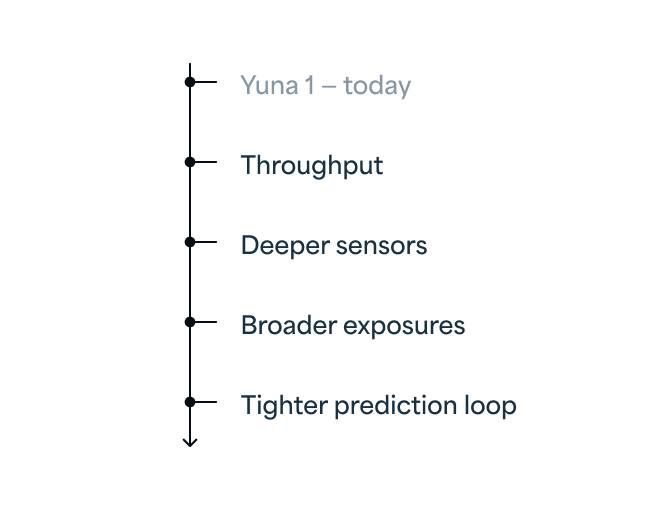
Internally we call today’s release Yuna 1.0, a first-version with much more to come. Broadly speaking, we’re building toward:
Throughput
The platform’s strength today is depth — human complexity, long duration, donor diversity, multi-omic richness. The next axis is volume: generating data at the scale modern AI models are hungry for, not only the resolution they need.
Deeper sensor integration
Widening the set of clinical readouts that can be taken in-platform, so more of what a dermatologist measures on a patient can be measured on the tissue.
Advanced biology
Glands, hair, neuro-skin biology, and disease states.
A broader validated exposure library
Publishing the stressors beyond UV — pollution, microbial, mechanical, chemical wounding — as their datasets mature.
A tighter loop with the prediction layer.
Each round of Yuna data sharpening the next round of what we elect to study.
We’re excited to finally talk about Yuna, but ultimately it is not the product. The data it produces is – and so are the compounds and mechanisms that Yuna makes findable. But none of that was possible until the foundation existed: human skin kept alive long enough, and read closely enough, to be worth a model’s attention.